PFA Tips: What To Do If You Are Involved in a Traffic Accident
By Sgt. Frank Moscoso, Communications Supervisor, Howard County Police
Download a printable version of “What to Do If You Are Involved in a Traffic Accident”
View the What to Do During a Traffic Stop webinar and check for mock traffic stop practice sessions
Being involved in a traffic collision can be frightening and stressful. Even a minor crash can leave you confused, anxious and overwhelmed. For drivers with autism or other developmental disabilities, the flashing lights, loud noises, unexpected changes, and interactions with unfamiliar people can make the situation even more difficult. The good news is that knowing what to do before a collision happens can help you stay calm and safe.
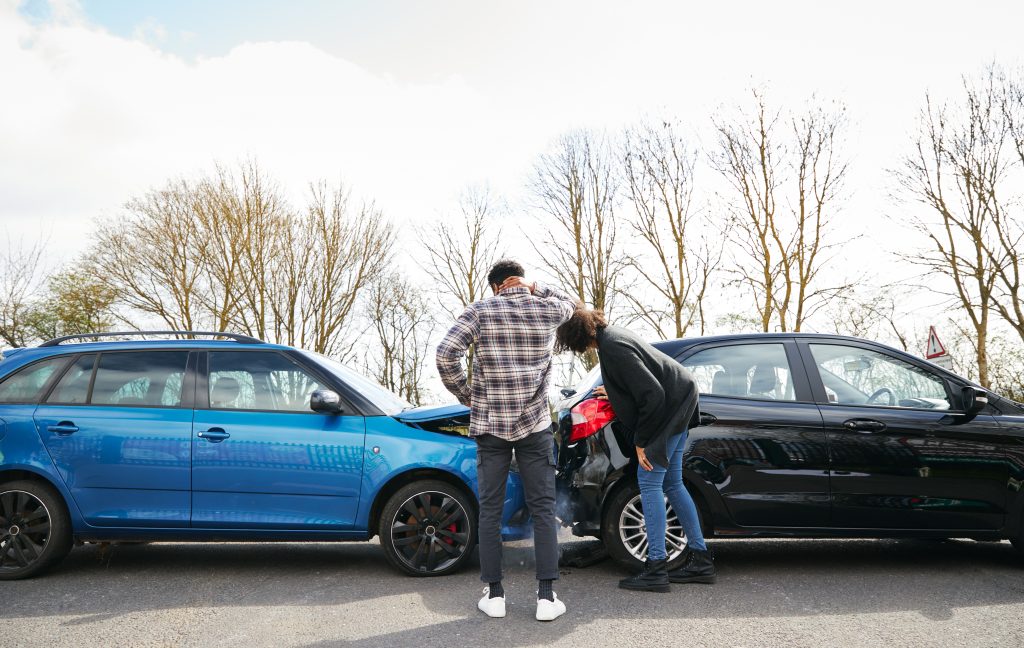
Take a deep breath and stay calm
If you are involved in a collision, try to remain as calm as possible. It is normal to feel scared, upset, frustrated, or confused. Take a few slow breaths and remind yourself that your first priority is safety. Not every accident results in injuries. Many collisions involve only vehicle damage. Staying calm will help you think clearly and make safe decisions.
Check for injuries
Before doing anything else, check yourself and your passengers for injuries. Ask yourself:
• Am I hurt?
• Is anyone else hurt?
• Does anyone need medical help?
If someone is injured or complaining of pain, call 9-1-1 immediately. If you are unable to call, ask someone nearby for help. If you are seriously injured, remain where you are unless there is an immediate danger, such as a fire.
Move to a safe location
If the vehicles can be moved safely and there are no serious injuries, move your vehicle out of traffic and to a safe location, such as:
• The shoulder of the road
• A nearby parking lot
• A side street
• Another safe area away from moving traffic
Moving out of traffic can help prevent additional collisions and keep everyone safer. If your vehicle cannot be moved, turn on your hazard lights and remain in a safe location if possible.
Never stand in traffic lanes or between vehicles, as this can place you at risk of being struck by another vehicle.
Call 9-1-1
In many situations, law enforcement should be notified. If you are unsure whether police are needed, call 9-1-1 and explain what happened. The call taker will help determine the appropriate response.
When speaking with the call taker:
• Provide your location.
• Explain that you were involved in a collision.
• Advise if anyone is injured or needs medical assistance.
• Answer questions as clearly and honestly as you can.
If your disability affects communication, it is okay to tell the call taker. This information may help responders better understand your needs.
Stay at the scene
Never leave the scene of a collision unless directed by law enforcement or emergency personnel. Remain near your vehicle in a safe location and wait for help to arrive.
Leaving the scene can create additional legal problems, even if the collision was minor and no one was injured.
If police respond
If a police officer arrives, they will want to gather information about what happened and check on everyone’s safety.
Remember:
• Stay calm.
• Be polite and respectful.
• Listen carefully to instructions.
• Answer questions honestly and to the best of your ability.
If you need extra time to process information, it is okay to say:
• “I have autism.”
• “I have a developmental disability.”
• “I may need you to repeat that.”
• “I need a moment to process what you said.”
Officers want to understand what happened and ensure everyone remains safe. If you do not understand a question or instruction, politely ask the officer to explain it again.
Exchange information
If you are physically able, exchange information with the other driver involved in the collision. Important information includes:
• Name
• Phone number
• Driver’s license number
• Vehicle registration information
• Insurance company and policy information
You do not need to discuss who caused the collision. Simply exchange information and allow the insurance companies and law enforcement to handle the investigation.
Take photos if you can
If it is safe to do so, use your phone to take pictures of:
• Vehicle damage
• License plates
• The roadway and surrounding area
• Traffic signs or signals or road signs
• Any visible injuries
Photos may help police and insurance companies understand what happened. If taking photographs feels overwhelming or stressful, ask a trusted family member, friend, or officer for assistance if available.
Be careful about what you say
After a collision, emotions can run high. Other drivers may be upset, angry, or frustrated. Other drivers may be angry or stressed too.
Try to remain calm and avoid arguments.
Do not guess about what happened if you are unsure. Stick to the facts and let investigators and insurance companies determine what occurred.
If you feel uncomfortable speaking with the other driver, wait for law enforcement to arrive.
Use your support system
If you have a parent, guardian, caregiver, family member, or trusted friend who helps you during stressful situations, contact them as soon as it is safe to do so.
You may tell responding officers:
“I would like to contact my support person.”
Having someone you trust can help reduce anxiety and ensure you understand the next steps.
After the collision
Once you leave the scene, there are a few important steps to take:
• Contact your insurance company and report the collision.
• Follow any instructions provided by law enforcement.
• Seek medical attention if you develop pain or discomfort.
• Write down details you remember about the collision.
Sometimes injuries, aches or stress reactions may not appear immediately. It is common for symptoms to develop hours or even days later. If you do not feel well, tell a trusted adult, family member, or healthcare provider.
Steps to remember
Most collisions are stressful, but they can be handled safely when you know what to do.
Focus on these key steps:
1. Stay calm.
2. Check for injuries.
3. Move to a safe location if possible.
4. Call for help when needed.
5. Stay at the scene.
6. Cooperate with responding officers.
7. Exchange information.
8. Contact your support system.
Planning ahead and knowing these steps can help you feel more confident if you are ever involved in a traffic collision. Your safety and the safety of everyone involved is always the most important priority.
Additional resources
PFA Tips: How to Interact with Police
PFA Tips: What To Do During a Traffic Stop
Driver Safety Program Resources
© 2026 Pathfinders for Autism